The Transformative Power of Reiki Healing for Emotional and Spiritual Wellness
Reiki healing offers a gentle yet profound way to clear emotional blocks and invite deep peace into your life. This subtle energy therapy works by channeling universal life force energy to support your body’s natural ability to heal itself. Many people find Reiki helps them release stress, balance emotions, and connect with a deeper sense of spiritual calm. If you are seeking a natural method to improve your emotional and spiritual wellness, Reiki may be the practice that brings meaningful change.
How Reiki Healing Works
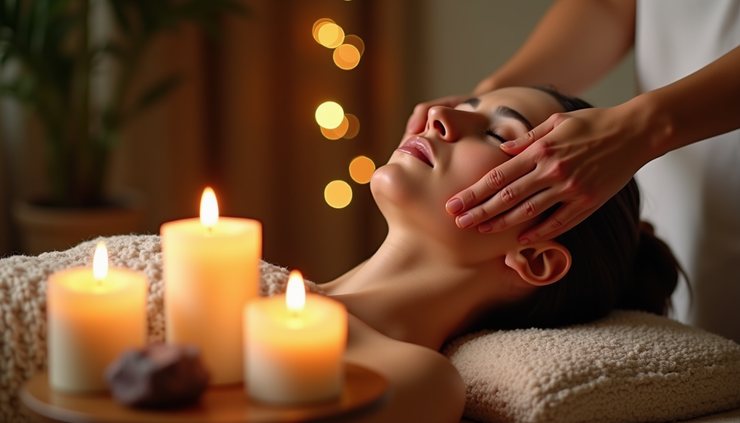
Reiki is based on the idea that energy flows through all living things. When this energy becomes blocked or depleted, it can lead to emotional distress or physical discomfort. A Reiki practitioner places their hands lightly on or just above the body, guiding energy to areas that need balance. This process helps dissolve energetic blocks that may be causing emotional tension or spiritual unrest.
Unlike some therapies that require active participation or intense focus, Reiki is a passive experience. You simply relax while the practitioner channels healing energy. Many people describe feeling warmth, tingling, or a deep sense of calm during a session. This gentle approach makes Reiki accessible to anyone, regardless of age or health condition.
Emotional Benefits of Reiki Healing
Emotional wellness is essential for overall health, yet many people struggle with unresolved feelings like anxiety, grief, or anger. Reiki supports emotional healing by:
Releasing stress and tension: Reiki encourages the nervous system to relax, reducing cortisol levels and calming the mind.
Clearing emotional blocks: Energy stuck in the body can manifest as emotional pain. Reiki helps move this energy, allowing feelings to surface and be processed.
Enhancing self-awareness: Sessions often bring insights or clarity about emotional patterns, helping you understand yourself better.
Promoting emotional balance: Regular Reiki can stabilize mood swings and foster a sense of inner peace.
For example, someone dealing with grief after a loss might find Reiki sessions help them feel less overwhelmed and more grounded. The therapy creates a safe space where emotions can be gently released without judgment.
Spiritual Growth Through Reiki
Many people turn to Reiki not only for emotional relief but also to deepen their spiritual connection. Reiki supports spiritual wellness by:
Opening energy channels: This can enhance your ability to connect with your intuition or higher self.
Encouraging mindfulness: The calm state induced by Reiki helps you become more present and aware.
Supporting meditation practices: Reiki can prepare the mind and body for deeper meditation by releasing distractions and tension.
Fostering a sense of unity: Experiencing the flow of universal energy can create feelings of connectedness with the world around you.
A person exploring their spiritual path might use Reiki to clear mental clutter and open to new insights. Over time, this can lead to a more meaningful and peaceful spiritual practice.
What to Expect During a Reiki Session
If you are new to Reiki, knowing what to expect can ease any uncertainty. A typical session lasts about 60 minutes and takes place in a quiet, comfortable space. You remain fully clothed and lie down or sit comfortably. The practitioner gently places their hands on or near your body in a series of positions, usually starting at the head and moving down to the feet.
You might feel sensations such as warmth, coolness, or gentle pulsing. Some people experience emotional releases, like tears or laughter, while others simply feel deeply relaxed or even fall asleep. Each session is unique and tailored to your needs.
How to Incorporate Reiki Into Your Wellness Routine
Reiki can be a powerful complement to other wellness practices. Here are some ways to integrate it into your life:
Schedule regular sessions to maintain emotional balance and spiritual clarity.
Use Reiki before or after meditation to deepen your practice.
Combine Reiki with yoga or breathwork for holistic healing.
Learn self-Reiki techniques to support yourself between sessions.
Many practitioners recommend starting with weekly sessions for a month, then adjusting frequency based on your experience and goals.
Choosing a Reiki Practitioner
Finding the right Reiki practitioner is important for a positive experience. Look for someone who:
Has completed recognized Reiki training and certification.
Creates a welcoming and safe environment.
Listens to your concerns and answers questions clearly.
Respects your boundaries and comfort level.
You can ask for recommendations, read reviews, or attend introductory events to meet practitioners before committing.


Comments